Is Acupuncture in Singapore Safe? TCM Safety Standards and What Patients Should Know
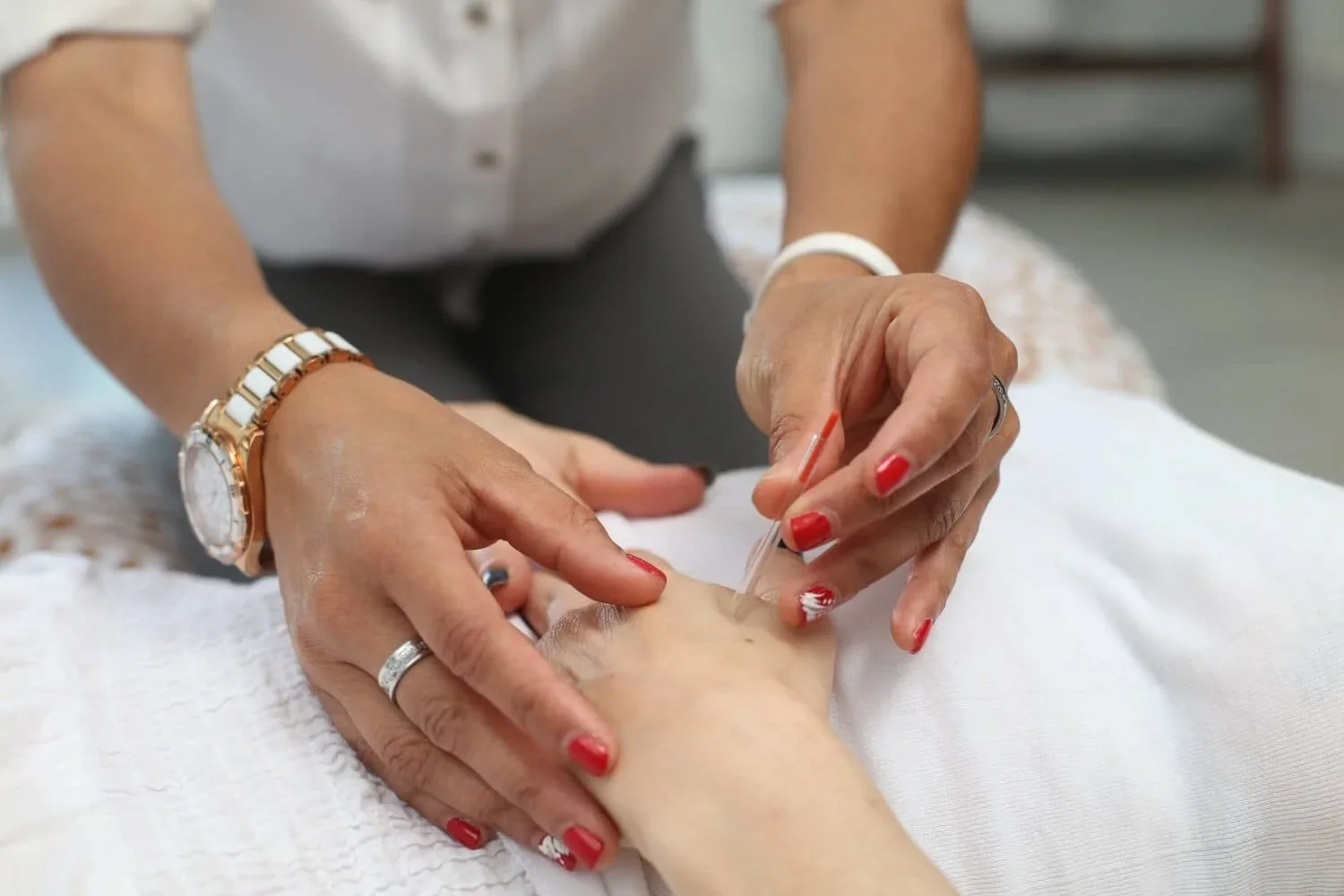
Acupuncture services in Singapore have become increasingly popular as more people explore Traditional Chinese Medicine (TCM) for pain management, stress relief, and overall wellness. While interest continues to grow, many patients still ask a crucial question: is TCM acupuncture safe? At our clinic, we often see patients who are curious but cautious, wanting to understand both the benefits and the safety standards before starting treatment.
In Singapore, acupuncture is not an unregulated practice. There are strict guidelines governing practitioner qualifications, hygiene protocols, and clinical conduct. Understanding these safeguards can help patients make informed decisions and feel confident about receiving treatment.
Key Takeaways
Acupuncture clinics in Singapore operate under strict regulatory oversight, ensuring practitioners are properly trained and licensed.
TCM acupuncture safety depends heavily on hygiene standards, including the use of single-use sterile needles and proper disposal methods.
Patients should always verify a practitioner’s credentials and ensure the clinic follows established TCM protocols.
Normally performed, mild side effects such as bruising under the skin and soreness for a few hours to a few days after the session is normal and not detrimental to health. While generally safe, acupuncture may have mild side effects.
Choosing a reputable clinic significantly reduces risks and supports a safer, more professional treatment experience.
Understanding How Acupuncture Works in a Medical Context

Before diving into safety, it is important to understand how acupuncture functions from both a traditional and modern perspective.
Acupuncture involves inserting very fine needles into specific points on the body to stimulate physiological responses. In TCM acupuncture, this is believed to regulate the flow of Qi or energy. From a biomedical perspective, acupuncture may stimulate nerves, improve blood circulation, and trigger the release of endorphins.
This dual understanding is important because safety is tied not just to technique, but also to how well a practitioner understands anatomy and patient conditions.
Regulation of Acupuncture Clinics in Singapore
Singapore has a structured regulatory framework that governs TCM practices, including acupuncture. This ensures patient safety is not left to chance.
Licensing and Practitioner Requirements
All TCM practitioners must be registered with the Traditional Chinese Medicine Practitioners Board. This includes completing recognised training programmes and passing certification exams.
Practitioners are required to:
Undergo formal education in TCM and acupuncture
Demonstrate competency through examinations
Maintain ongoing professional development
This ensures that anyone offering acupuncture services in Singapore has met minimum competency standards.
Clinic Compliance and Audits
TCM clinics are expected to comply with hygiene and operational standards. Clinics are subject to compliance inspections by the relevant authorities to ensure adherence to safety protocols.
Clinics must:
Maintain clean treatment environments
Use approved medical equipment
Follow infection control procedures
Ethical and Professional Standards
Practitioners are also bound by ethical guidelines, including informed consent and patient confidentiality. Patients should be informed about the procedure, expected outcomes, and possible risks before treatment begins.
Hygiene and Safety Standards in TCM Acupuncture
Safety in acupuncture is closely linked to hygiene practices. This is one of the most important aspects patients should evaluate.
Use of Sterile, Single-Use Needles
Modern acupuncture in Singapore clinics use disposable, single-use needles. This eliminates the risk of cross-contamination and infection.
Reusable needles are not acceptable in compliant clinics.
Proper Skin Preparation
Before needle insertion, practitioners clean the skin using alcohol swabs or antiseptic solutions. This reduces the risk of introducing bacteria into the body.
Safe Needle Disposal
Used needles must be disposed of in designated sharps containers. This is a regulated requirement and protects both patients and staff.
Clean Clinical Environment

Treatment rooms should be visibly clean and organised. Surfaces must be sanitised regularly, and linens should be changed between patients.
Common Risks and Side Effects of Acupuncture
While TCM acupuncture is generally considered safe, especially in regulated environments like Singapore, it is not completely risk-free.
Here is a practical overview:
Most side effects are mild and temporary. Serious complications are extremely rare when acupuncture is performed by qualified professionals.
How to Choose a Safe Acupuncture Clinic in Singapore
Not all clinics offer the same level of care. Patients should take an active role in evaluating their options.
Verify Practitioner Credentials
Always check if the practitioner is registered with the TCM Practitioners Board. This is one of the most important safety checks.
Observe Hygiene Practices
During your visit, take note of:
Whether needles are opened in front of you: Compliant clinics use single-use, pre-packaged sterile needles that are opened fresh at the point of treatment and never reused.
Cleanliness of the clinic and treatment room: Treatment surfaces, couches, and linens should appear clean and well-maintained. Disposable paper sheets should be changed between patients.
Hand hygiene by the practitioner: Practitioners are required to wash their hands or use an alcohol-based hand rub before and after each patient. This is a mandatory standard under MOH guidelines, and you should be able to observe this as part of the consultation process.
A visible handwashing station: Treatment rooms in compliant clinics are required to have a dedicated washbasin with soap and disposable paper towels or alcohol rub readily available.
Note on gloves: Gloves are not routinely required for standard acupuncture and their absence does not indicate a hygiene lapse. However, they are mandatory when blood-letting is performed or when a patient has open wounds or skin lesions. If you have open wounds, you should expect your practitioner to glove up.
Ask Questions Before Treatment
A reputable clinic will be transparent. You should feel comfortable asking:
What conditions do you treat?
What are the risks?
How many sessions are needed?
Review Patient Experience
Look for verified patient reviews on independent platforms, as these can reflect the clinic's overall standard of care and professionalism.
When Acupuncture May Not Be Suitable
Acupuncture is not always appropriate for everyone, and certain conditions require additional caution or may be contraindicated. Always inform your practitioner of your full medical history before treatment begins.
Patients should inform practitioners if they:
Are pregnant: Certain acupuncture points (including those on the abdomen and lumbosacral region) are contraindicated during pregnancy, particularly in the first trimester. A qualified practitioner will adjust the treatment approach accordingly.
Have bleeding disorders: Needling requires extra caution for patients with clotting conditions or those on anticoagulant or anti-platelet therapy (e.g., warfarin or aspirin).
Are taking blood-thinning medication: Please disclose all medications, including supplements, prior to your session.
Have implanted medical devices: Such as pacemakers, especially where electrical stimulation (electroacupuncture) may be involved.
Have uncontrolled epilepsy or convulsions: Acupuncture is contraindicated in these cases due to patient safety risks during treatment.
Have a known tumour or are undergoing cancer treatment: Direct acupuncture at or near a tumour site is not performed. If you have a relevant diagnosis, your practitioner may request a doctor's referral or confirmation before proceeding.
A qualified practitioner will always assess your suitability and tailor the treatment plan to your specific health needs before beginning any session.
Comparing Acupuncture Safety with Other Treatments
Understanding how acupuncture compares with other treatment options helps patients make more informed decisions about their care. Rather than replacing conventional approaches, acupuncture is often used alongside them as part of a well-rounded treatment plan.
Compared with Medication
Medications are often essential for managing acute symptoms, infections, or chronic conditions. However, some patients may experience side effects or require long-term use. In these cases, acupuncture may serve as a complementary approach to overall wellness alongside conventional treatment, always under proper medical guidance.
Compared with Surgery
Surgery plays a critical role in treating structural or severe medical conditions and is sometimes necessary for recovery. Acupuncture is not a substitute for surgical intervention but can be used before or after procedures to support pain management, improve circulation, and aid recovery. This makes it a valuable complementary option rather than an alternative.
Compared with Other Complementary Therapies
Acupuncture is often used alongside other therapies such as physiotherapy, massage, or herbal medicine. Each approach has its own strengths. Acupuncture offers a targeted method based on specific points and clinical diagnosis, while other therapies may focus on muscle relaxation, rehabilitation, or internal balance. Together, they can provide a more comprehensive treatment strategy.
Ultimately, acupuncture treatments in Singapore are most effective when integrated thoughtfully with other medical and wellness approaches. At our clinic, we take a collaborative approach to care, ensuring that each treatment plan supports the patient’s overall health safely and effectively.
What Patients Should Expect During a Safe Acupuncture Session
Knowing what a proper session looks like can help patients identify safe practices.
A typical session includes:
Initial consultation and assessment
Explanation of treatment plan
Skin cleaning before needle insertion
Use of sterile, single-use needles
Monitoring during treatment
Proper disposal of needles
Patients should feel minimal discomfort and should always be able to communicate with the practitioner during the session.
Acupuncture in Singapore: Making Informed and Safe Choices
Acupuncture services in Singapore can be a safe and evidence-informed option when delivered by qualified practitioners in compliant clinics. At Common TCM Clinic, we prioritise patient safety by adhering strictly to TCM regulations, maintaining high hygiene standards, and ensuring every treatment is tailored to the individual.
If you are considering TCM acupuncture, taking the time to understand safety protocols and choosing the right clinic can make all the difference. We encourage patients to ask questions, verify credentials, and approach treatment with both curiosity and awareness. If you would like personalised guidance or to explore whether acupuncture is suitable for your condition, you may contact Common TCM Clinic to speak with our team.
Frequently Asked Questions
-
Results vary depending on the condition being treated. Some patients notice improvements after one session, while others may require several treatments to experience significant benefits.
-
Yes, acupuncture is often used alongside conventional treatments. However, patients should inform both their TCM practitioner and medical doctor to ensure coordinated care.
-
Most patients report minimal discomfort. The needles used in acupuncture are very thin, and the sensation is usually mild and brief.
-
Acupuncture can be adapted for different age groups, including children and elderly patients. The approach and technique may vary depending on individual needs.
-
Frequency depends on your condition and treatment goals. Some patients attend weekly sessions, while others may require less frequent visits for maintenance.