TCM Therapy in Singapore: Common Myths vs Facts You Should Know

As interest in holistic healthcare continues to grow, TCM therapy is increasingly discussed in Singapore’s wellness landscape. Despite its long history and structured medical framework, many misconceptions still surround Traditional Chinese Medicine, often leading to confusion or unrealistic expectations. At Common TCM, we frequently encounter patients who are curious about TCM therapy but hesitant due to myths they have heard rather than facts grounded in practice and regulation.
In this article, we’ll clarify common misunderstandings about tcm therapy, separating myth from fact while explaining how Traditional Chinese Medicine is practised responsibly in Singapore today. The aim is to provide accurate, well-researched information so readers can make informed decisions about their health.
Key Takeaways
TCM is a structured medical system with diagnostic principles, not a collection of random or unscientific remedies.
Treatments are personalised based on body constitution, lifestyle, and underlying patterns rather than generic symptoms.
Legitimate TCM clinics in Singapore operate within professional and regulatory standards focused on patient safety.
Results from TCM therapy are expectedly cumulative rather than immediate or dramatic
Responsible practitioners emphasise balance, prevention, and long-term support rather than quick fixes.
Understanding What TCM Therapy Really Is
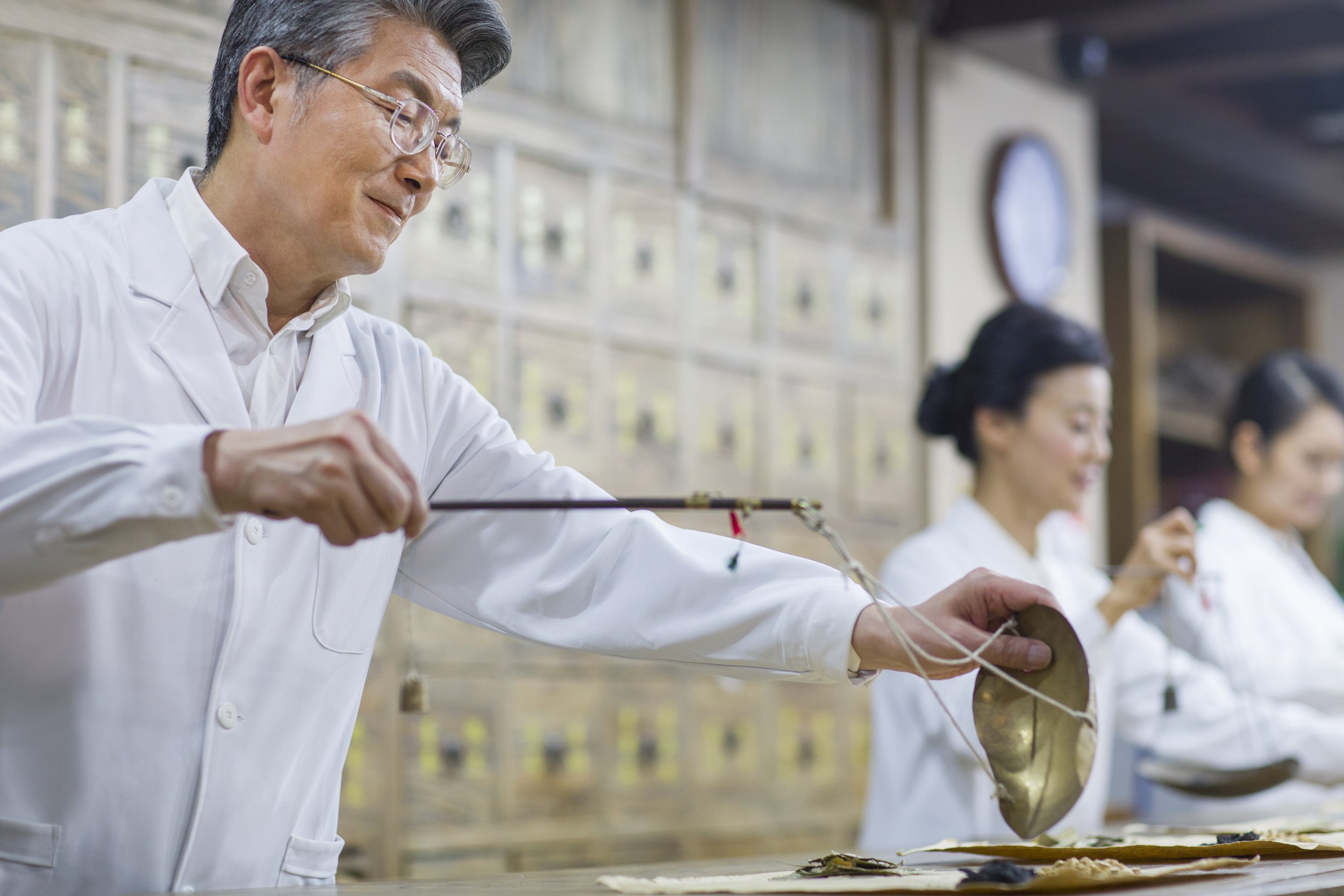
Before addressing common misconceptions, it is important to understand what TCM treatment actually involves. Traditional Chinese Medicine is a comprehensive medical system developed over centuries, focusing on restoring internal balance rather than treating isolated symptoms.
TCM treatment plans incorporate several interconnected treatment approaches, including:
Acupuncture to regulate qi flow and support balance
Cupping therapy to support circulation and ease muscular tension
Moxibustion to apply deep therapeutic heat and promote internal balance
Chinese herbal medicine prescribed based on individual patterns
Dietary guidance to align daily habits with body constitution
Manual therapies that support circulation and musculoskeletal balance
Rather than targeting a single complaint, TCM treatment plans focus on identifying underlying patterns with permutations related to qi, blood, yin, and yang balance. This diagnostic approach explains why treatments are personalised and why progress may vary from person to person.
1. Is TCM therapy scientific?
One of the most common misconceptions is that tcm therapy lacks structure or a scientific basis.
How TCM practitioners diagnose and assess patients
While TCM is rooted in traditional philosophy, it follows a systematic diagnostic process. Practitioners assess pulse, tongue appearance, medical history, and lifestyle factors to identify patterns of imbalance.
This structured evaluation guides treatment decisions, much like diagnostic frameworks in conventional medicine, though the underlying concepts differ.
Ongoing Research and Modern Practice
In Singapore, TCM is practised in modern clinical settings with an emphasis on safety, documentation, and professional training. All TCM practitioners must be registered with the Traditional Chinese Medicine Practitioners Board (TCMPB) and hold a valid practising certificate. While research approaches differ from Western biomedical models, TCM therapy is not arbitrary or unregulated. Registration of TCM practitioners in Singapore is governed by the Traditional Chinese Medicine Practitioners Act 2000, which maintains professional standards and ethical guidelines.
2. Does TCM therapy work instantly? Understanding realistic timelines
Some people believe TCM therapy should deliver immediate results, while others assume it has no effect if results are not instant.
Why TCM therapy is usually progressive
TCM therapy focuses on correcting underlying imbalances rather than suppressing symptoms. As a result, improvements often occur progressively.
Acute conditions may respond more quickly, while chronic or long-standing concerns usually require consistent treatment over time.
How progress is measured in TCM therapy
Progress in TCM therapy may include improved sleep, digestion, energy levels, or emotional balance before primary symptoms fully resolve. These changes are meaningful indicators of internal regulation. In modern clinics, modern medical test reports can also been used to assess the efficacy of TCM treatments quantitatively.
3. Are TCM treatments the same for everyone? Why personalisation matters
Another misconception is that TCM therapy uses fixed formulas or identical treatments for similar complaints.
Personalisation in TCM Treatments
In reality, TCM therapy is highly individualised. Two people with the same symptom may receive different treatments due to differences in constitution, lifestyle, or underlying patterns.
This personalised approach is a defining feature of Traditional Chinese Medicine rather than a limitation.
4. Is TCM therapy safe and regulated in Singapore?
Safety concerns often arise from misinformation or exposure to unverified practices.
Professional Standards and Regulation
In Singapore, TCM is practised under established professional standards. Reputable clinics follow hygiene protocols, use quality-controlled herbal products, and require proper training for practitioners.
Patients are encouraged to disclose existing medical conditions and medications so treatments can be adjusted appropriately.
Responsible Use of Herbal Medicine
Herbal prescriptions are tailored and dosed carefully. They are not intended to be taken indefinitely without review, and adjustments are made based on patient response.
5. Can TCM therapy replace conventional medicine?
Some assume that choosing TCM therapy means rejecting conventional medicine entirely.
Complementary Rather Than Competitive
TCM therapy is often used alongside conventional medical care. Many patients seek it as a complementary approach to support recovery, manage side effects, or improve overall well-being.
Clear communication between healthcare providers helps ensure treatments are coordinated safely.
How TCM Therapy Is Commonly Used in Singapore
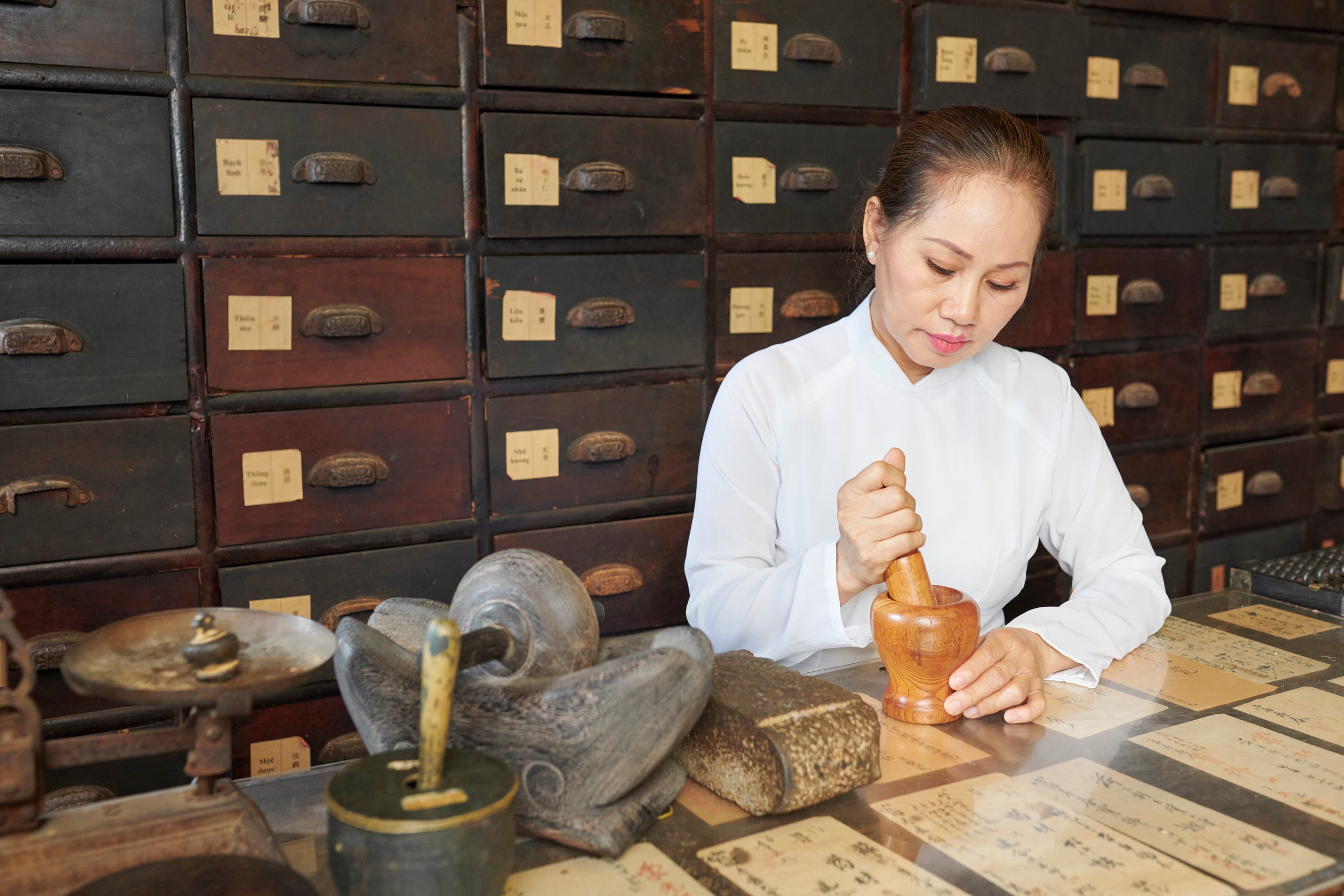
TCM therapy supports a wide range of health goals when practised responsibly and with realistic expectations.
Supporting Balance and Wellness
Many individuals explore TCM therapy for stress regulation, fatigue, sleep issues, and digestive balance. These concerns are often linked to lifestyle and internal regulation rather than isolated disease.
Managing Chronic Discomfort
TCM therapy is also commonly used to support individuals with long-term discomfort, focusing on improving quality of life and functional balance rather than promising instant cures.
Why Misunderstandings About TCM Are Common
The table below explains where misconceptions about TCM come from to understand why confusion exists and how professional practice differs from assumptions.
Making Informed Decisions About TCM Therapy in Singapore
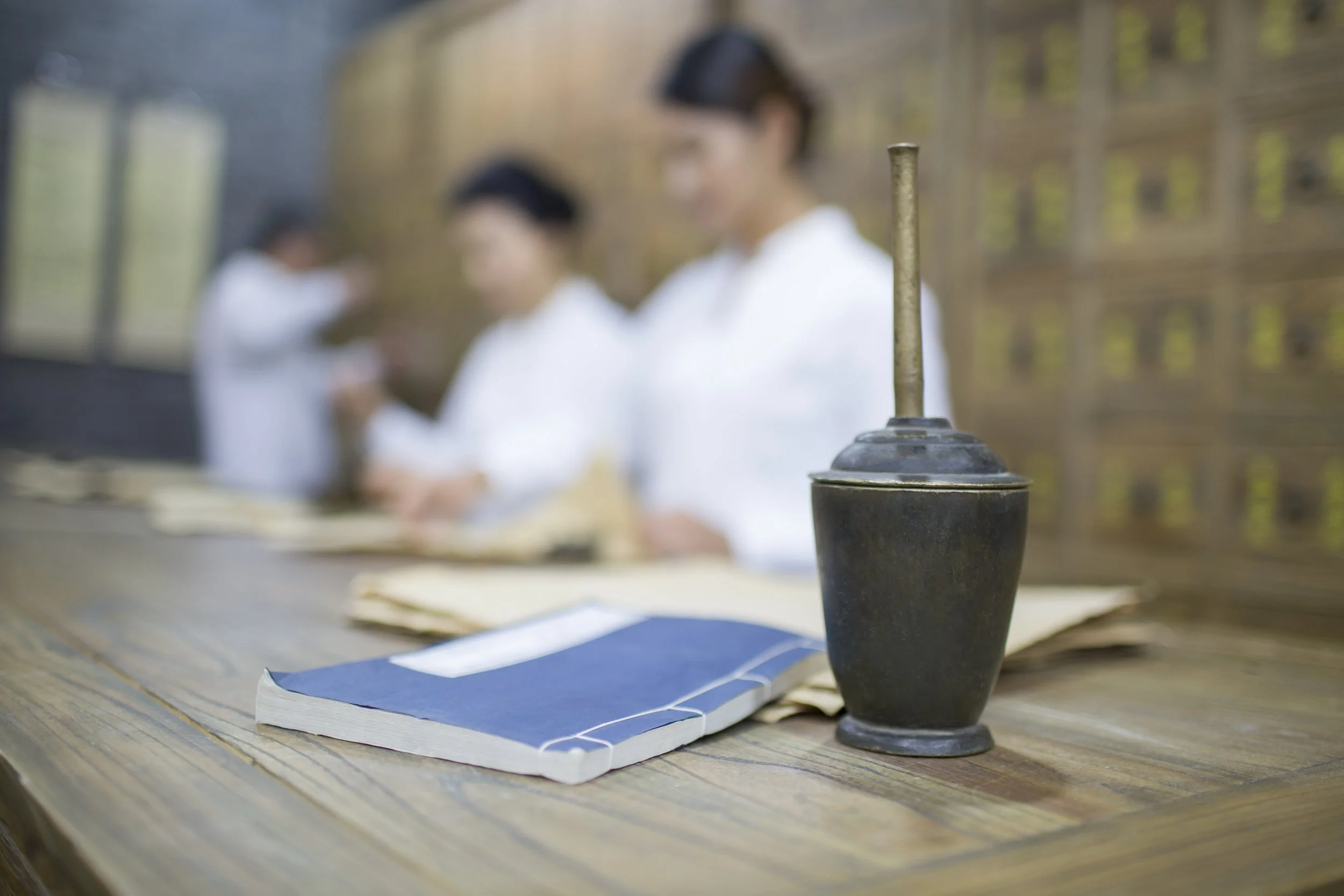
Understanding the realities of TCM treatment helps individuals approach treatment with clarity rather than fear or unrealistic expectations. In Singapore, informed decision-making is an important part of responsible healthcare, especially when exploring holistic or traditional treatment options.
Effective TCM treatment plans are typically supported by:
A professional consultation that includes a proper assessment and discussion of health history
Clear communication about treatment goals, methods, and expected progression
Structured treatment planning that is adjusted over time based on response and individual needs
When these elements are in place, patients are better positioned to engage with TCM treatment, confidently and realistically, supporting both safety and long-term wellness. Considering treatment? Speak with a TCMPB-registered physician at Common TCM for a personalised assessment.
TCM Treatments in Singapore with Common TCM
Clarifying myths allows individuals to explore TCM therapy with confidence and realistic expectations. At Common TCM, we focus on responsible assessment, personalised care, and professional standards aligned with Singapore’s healthcare environment.
If you are considering TCM treatment and want to better understand how Traditional Chinese Medicine may support your health journey. Book a consultation with our TCMPB-registered practitioners at Common TCM to discuss how personalised TCM treatment plans can support your health goals. Book an Appointment Online or WhatsApp us to schedule your appointment.
Frequently Asked Questions About TCM Therapy
-
Yes, TCM therapy places strong emphasis on prevention by supporting balance before symptoms become more complex or persistent.
-
Many individuals use TCM therapy to maintain general wellness, manage stress, or support lifestyle balance even without specific complaints.
-
Progress is assessed through symptom changes, pulse and tongue observations, and overall functional improvement rather than single markers alone.
-
Yes, treatments are regularly reviewed and adjusted based on response, seasonal changes, and lifestyle factors.
-
Duration depends on individual goals and conditions. Some people seek short-term support, while others integrate tcm therapy into ongoing wellness routines.
Medical Disclaimer: This article is for informational and educational purposes only and does not constitute medical advice. TCM therapy outcomes may vary between individuals. Please consult with a registered TCM practitioner to discuss your specific health concerns and determine if TCM therapy is appropriate for you. If you have a medical condition, please also consult your primary healthcare provider.
-
Most TCM treatments are generally well tolerated when provided by qualified practitioners. Depending on the treatment, some individuals may experience temporary effects such as mild soreness after acupuncture, skin markings after cupping, or minor adjustments as the body adapts to herbal prescriptions. If symptoms persist or cause concern, patients should consult their practitioner for further assessment.
-
The cost of TCM treatment varies depending on the type of treatment, the clinic, and the practitioner's experience. Consultation fees, acupuncture sessions, cupping, and herbal prescriptions may be charged separately. Patients are encouraged to check with the clinic directly for the latest pricing and treatment options.
-
TCM treatment is often used alongside conventional medical care. However, patients should inform their TCM practitioner about any medications, supplements, or ongoing treatments they are receiving. Open communication helps ensure that care is coordinated appropriately and that any potential interactions or considerations can be discussed.