Top Myths About Chinese Herbal Prescriptions — Busted by TCM Experts

Chinese herbal prescriptions have been used for centuries, yet many misconceptions still surround their safety, effectiveness, and role in modern healthcare. In recent years, more patients have explored herbal medicine in Singapore as part of a holistic approach to health. However, confusion and outdated beliefs often prevent people from fully understanding how these treatments work.
At Common TCM Clinic, we regularly meet patients who are curious about Chinese herbal prescriptions but unsure whether they are safe, evidence-based, or suitable for their condition. The truth is that modern TCM practice in Singapore is structured, regulated, and grounded in both traditional knowledge and clinical application. In this article, we address some of the most common myths and provide clarity based on real-world practice.
Key Takeaways
Chinese herbal prescriptions are personalised treatments tailored to each individual, not generic remedies.
Herbal medicine in Singapore is regulated as CPM (Chinese Proprietary Medicine), with stricter standards for herb safety, unlike generic supplements.
When prescribed correctly, herbal treatments are generally safe and can complement conventional care.
Misuse or self-medication is a common cause of negative experiences with herbal medicine.
Understanding how TCM works helps patients make informed and confident healthcare decisions.
Why Misconceptions About Herbal Medicine Persist
Before addressing the myths, it is important to understand why they continue to exist.
Many misunderstandings about Chinese herbal prescriptions stem from:
Lack of awareness about modern TCM regulations
Confusion between professionally prescribed formulas and over-the-counter remedies
General scepticism towards traditional practices
Misinformation shared online or through anecdotal experiences
In Singapore, TCM is practised within a regulated framework, and herbal medicine is far more structured than many people realise.
Myth 1: Chinese Herbal Prescriptions Are Not Scientific

This is one of the most common assumptions among first-time patients.
The Reality
While Chinese herbal prescriptions are based on traditional theories such as Qi balance and organ systems, many herbs have been studied for their pharmacological properties. Modern research continues to examine how these herbs influence inflammation, immunity, and physiological function.
More importantly, herbal prescriptions are not random mixtures. Each formula is carefully structured:
A main herbal formula targets the primary condition
Supporting herbs enhance effectiveness
Additional herbs balance the formula and reduce side effects
This systematic approach reflects a level of clinical reasoning that aligns with modern treatment principles.
Myth 2: Herbal Medicine in Singapore Is Unsafe
Safety concerns are understandable, especially when it comes to ingesting herbal formulations.
The Reality
Herbal medicine in Singapore is regulated, and practitioners must be registered with the Traditional Chinese Medicine Practitioners Board. In Singapore, the Health Sciences Authority (HSA) regulates CPM through mandatory product listing, licensing of dealers, and strict safety standards regarding contaminants, heavy metals, and prohibited substances. While general traditional herbs are not pre-approved, CPM-finished products like tablets or capsules must be registered to ensure safety before sale.
HSA LINK TO THIS:https://www.hsa.gov.sg/chinese-proprietary-medicines/overview
Difference from Health Supplements:
CPM: Must be registered, make medicinal claims, and be regulated for safety and quality.
Health Supplements: Intended for daily diet improvement; they cannot make specific disease claims and are not pre-approved by HSA.
What Ensures Safety
Use of approved and quality-controlled herbal ingredients
Accurate dosing based on individual assessment
Proper preparation and storage of herbs
Monitoring of patient response over time
At our clinic, we ensure that every prescription is dispensed according to established safety guidelines, with patient well-being as the top priority.
Myth 3: Chinese Herbal Prescriptions Work Too Slowly
Many people believe herbal medicine is only suitable for long-term use and cannot provide timely relief.
The Reality
The effectiveness and speed of herbal medicine depend on the condition being treated. When a precise combination of herbs is used at the right dosage, the first improvements can be observed within the first few days, with its effects becoming more sustained over a longer period of time.
Acute Conditions
For issues such as cough, flu, or digestive discomfort, patients may experience relief within a few days.
Chronic Conditions
For long-standing conditions, herbal prescriptions focus on correcting underlying imbalances, which takes more time but offers more sustainable results.
Preventive Care
Some patients use herbal medicine to strengthen their system and prevent recurrence, rather than treating active symptoms.
The goal of Chinese herbal prescriptions is not just speed, but long-term balance and recovery.
Myth 4: All Herbal Prescriptions Are the Same
This misconception often leads to self-diagnosis and improper use of herbal remedies.
The Reality
Chinese herbal prescriptions are highly individualised.
Two patients with similar symptoms may receive completely different formulas based on:
Body constitution
Underlying imbalance
Severity and duration of symptoms
Environmental and lifestyle factors
Why Personalisation Matters
This level of customisation is a defining feature of TCM and one of the reasons professional consultation is essential.
Myth 5: Herbal Medicine Cannot Be Used with Western Treatments
Some patients worry that combining treatments may lead to complications.
The Reality
Chinese herbal prescriptions can often be used alongside conventional treatments when managed properly.
The key is coordination. Patients should always inform both their TCM practitioner and medical doctor to ensure safe and effective integration.
How to Use Chinese Herbal Prescriptions Safely
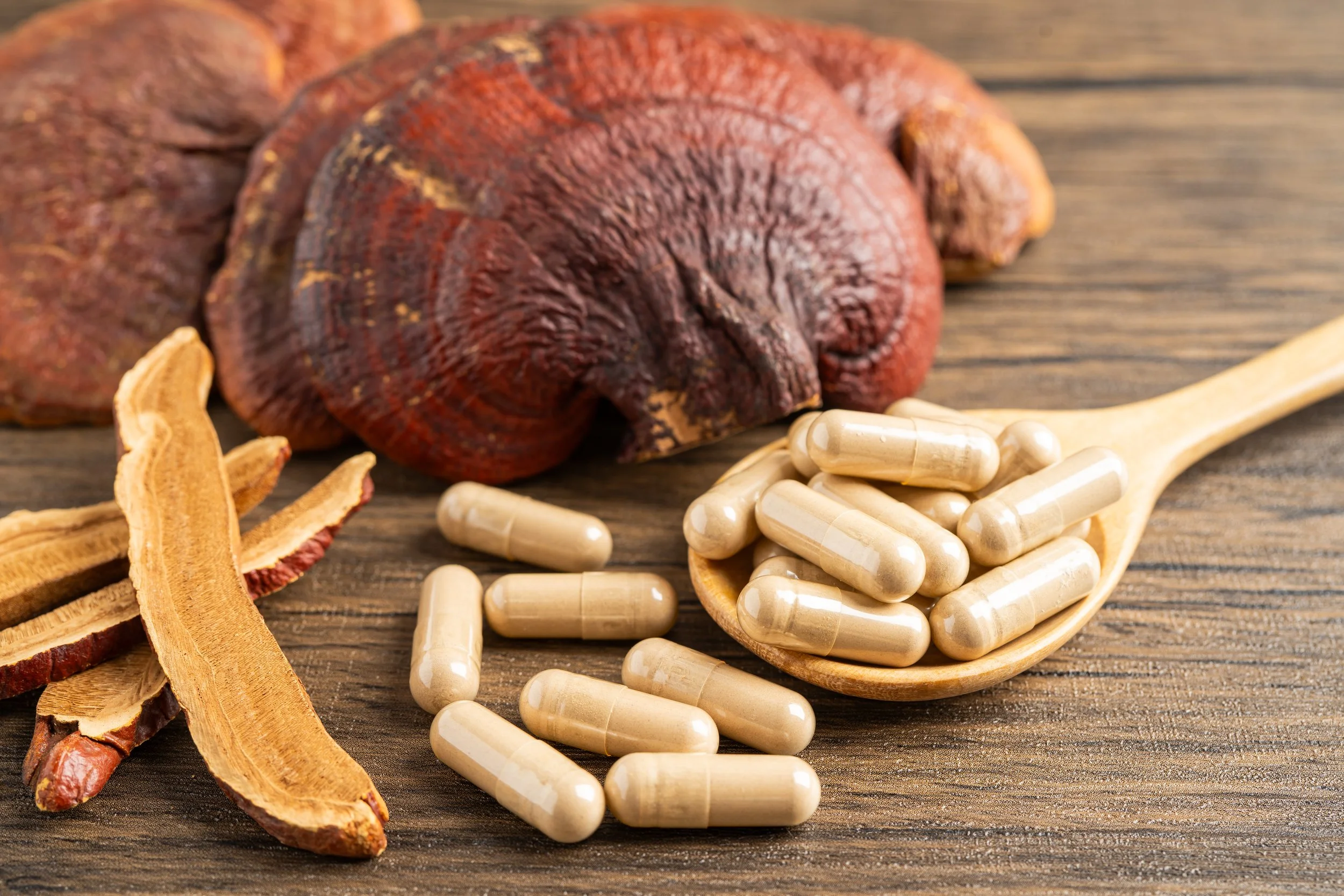
Safety is not just about the herbs themselves, but how they are prescribed and used.
Patients can protect themselves by:
Consulting a registered TCM practitioner
Avoiding unverified herbal products from unknown sources
Following dosage and preparation instructions carefully
Attending follow-up consultations for adjustments
Informing practitioners about existing conditions or medications
These steps help ensure that herbal medicine in Singapore is both safe and effective.
Chinese Herbal Prescriptions in Singapore: Safe, Structured, and Personalised Care
Chinese herbal prescriptions are often misunderstood, but when viewed through the lens of modern TCM practice, they are structured, regulated, and highly personalised.
At our clinic, we combine traditional expertise with clinical standards to ensure that every treatment is safe, effective, and tailored to the individual. If you are exploring herbal medicine in Singapore and want to better understand how it can support your health, you may contact Common TCM Clinic to speak with our team or learn more about your options.
Frequently Asked Questions
-
Yes, many herbal prescriptions are designed for long-term use, especially for chronic conditions. For herbs that require active monitoring in a controlled dosage, a licensed TCM physician will be able to administer them accurately. They should always be monitored and adjusted by a practitioner.
-
Side effects are uncommon when prescriptions are properly formulated. Mild reactions may occur in some cases, which is why active follow-up consultations are important.
-
Some prescriptions are intended for daily use, while others are taken for shorter periods. Your practitioner will advise based on your condition.
-
Herbs may be prepared as decoctions, powders, capsules, or ready-made solutions, depending on the prescription and patient preference.
-
Yes, many patients use herbal medicine to maintain balance and strengthen their immune system, reducing the likelihood of illness.